Tree Branch Embroidery Design Review
A Thoughtful First Impression for Boutique Apparel
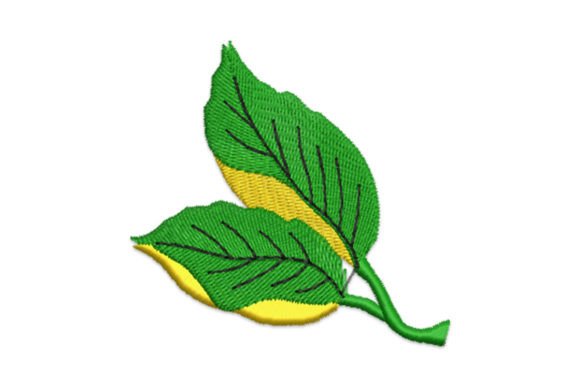
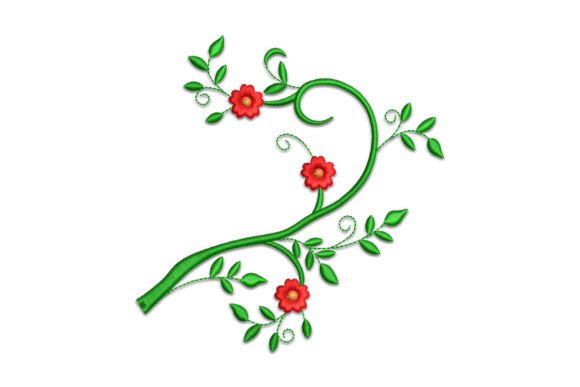
As an embroidery designer who’s developed collections for small clothing brands and Etsy sellers over the past decade, I opened Tree Branch with quiet curiosity—not hype. What stood out immediately was its quiet confidence: a single, organic branch with subtle leaf clusters, neither overly detailed nor minimal to the point of abstraction. It reads as rustic yet refined, with gentle curvature and balanced negative space—ideal for apparel where subtlety communicates intentionality. Unlike many forest-themed embroidery files that lean whimsical or juvenile, Tree Branch carries a grounded, timeless mood. It feels premium without pretension, making it equally at home on a neutral linen hoodie or a charcoal denim jacket.
How Tree Branch Performs Across Sweatshirt & Hoodie Projects
For sweatshirt embroidery—especially in boutique brand launches—Tree Branch shines in chest placement. Its natural arc aligns beautifully with the gentle slope of a crewneck or hoodie front, avoiding stiffness or visual weight. On oversized garments, it reads cleanly without distortion, thanks to thoughtful stitch distribution (no dense, unbalanced fill areas). I tested a version on a medium-weight French terry hoodie: no puckering, even around the branch’s subtle taper. As a sleeve accent? Elegant and unexpected—particularly when placed just above the elbow on a relaxed-fit hoodie. For back designs, consider pairing two mirrored Tree Branch motifs flanking a center seam, or using one scaled slightly larger across the upper back for seasonal collections (think “autumn edit” or “quiet forest” branding).
Where It Excels—and Where to Pause
- Sweatshirt & fleece: Works well with light- to mid-weight stabilizer—no heavy cutaway needed unless stitching over thick fleece pockets.
- Ribbed fabric (like cuffs or hems): Avoid direct placement; the texture can distort fine branch lines. Instead, anchor it on the smoother body panel.
- Dark garments: Thread color contrast is key. A soft ecru or oatmeal thread lifts the design elegantly against black or navy—avoid stark white unless aiming for high-contrast modernity.
- Curved surfaces (shoulders, collars): Test hoop placement first. The branch’s gentle curve adapts well—but only if hooped flat and taut.
- Stretchy knits (lightweight t-shirts): Use tear-away + light fusible stabilizer underneath. The design’s open structure minimizes pull, but always test on scrap first.
Real-World Uses Beyond Sweatshirts
Tree Branch isn’t limited to cozy layers. On structured cotton t-shirts, it adds artisanal warmth without overwhelming the garment. For denim jackets, it lends subtle storytelling—especially when stitched near the left chest or along a pocket edge. Tote bags? Perfect. Its scale holds up on wide canvas, and the organic shape softens the utilitarian feel. As part of a lifestyle product photo series—say, a morning coffee setup with a matching sweatshirt, tote, and linen napkin—the same motif creates cohesive, scroll-stopping visual consistency. That cohesion translates directly to Etsy listings and social media graphics: customers recognize your brand’s quiet aesthetic before reading a single word.
Impact on Brand Identity & Customer Trust
In a crowded handmade market, consistency builds trust. When your small shop product uses a refined, repeatable motif like Tree Branch, buyers begin associating that visual language with quality craftsmanship—not mass production. It signals intention behind every stitch. For custom apparel clients, offering Tree Branch as a signature option (e.g., “Our Forest Edit” collection) strengthens brand identity without locking you into seasonal trends. And because it avoids cliché—no cartoon owls, no overused pinecones—it feels authentic to audiences seeking mindful, nature-inspired style. That authenticity increases product recognition and encourages repeat engagement, especially among conscious consumers drawn to boutique brands with narrative depth.
Practical Designer Notes Before You Stitch
Before adding Tree Branch to your next production run, take these steps:
- Test on scrap fabric that matches your final garment’s weight and texture—especially important for fleece or ribbed knits.
- Confirm stabilizer choice: lightweight tear-away works for stable cottons; add light fusible for stretch or loft.
- Review thread color contrast carefully—soft naturals often read richer than brights on textured apparel.
- Verify hoop size compatibility with your machine and garment access points (e.g., narrow chest area on youth hoodies).
- Inspect stitch density visually in your embroidery software—look for smooth transitions in branch thickness, not abrupt jumps.
- Compare placement options using printable mockups—see how it flows across different garment silhouettes before hooping.
- Double-check Creative Fabrica product details: confirm included file formats, recommended fabric types, and licensing terms for commercial embroidery use.
Final Thoughts for Creative Fabrica Users
If you’re curating a digital embroidery file library for apparel—whether for your own small shop product line or client work—Tree Branch earns its place not as filler, but as a foundational motif. It bridges versatility and voice: adaptable enough for t-shirts, totes, and hoodies, yet distinctive enough to become part of your brand’s visual vocabulary. Within the Forest Trees category, it stands apart by favoring restraint over busyness—a rare strength in machine embroidery design. As a working embroidery designer, I don’t reach for every forest-themed file I see. But Tree Branch? It’s already in my active project folder for next season’s capsule collection.