Coconut Tree Embroidery Design Review
A Designer’s First Glance: Warm, Laid-Back, and Surprisingly Versatile
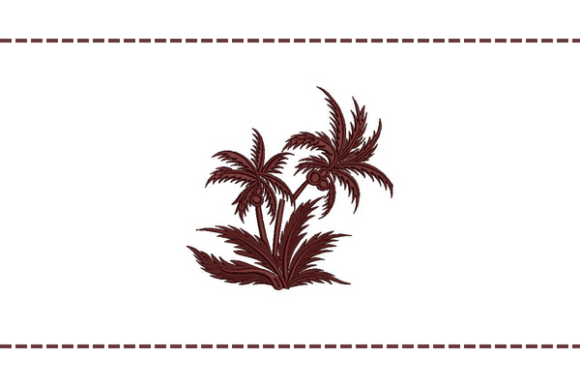
When I opened the Coconut Tree embroidery file, what struck me first wasn’t technical precision—it was mood. This isn’t a stiff, symmetrical botanical illustration. It’s a relaxed, slightly asymmetrical silhouette with gentle curves in the fronds, soft tapering trunks, and open negative space that breathes. It feels handmade—not in the “rough around the edges” way, but in the intentional, human way: like someone sketched it on napkin before digitizing. That warmth translates directly to finished pieces. I immediately pictured it on a linen tea towel for a coastal-themed kitchen boutique—and then, just as easily, on a cream organic cotton baby onesie for a nursery gift set.
Real-World Test: Stitching It onto a Canvas Tote Bag
Last week, I prepped a custom order: a medium-weight natural canvas tote for a local florist’s summer pop-up. They wanted something tropical but refined—no cartoon palm trees or over-saturated greens. I chose Coconut Tree at 4.2" wide, centered on the front panel. With medium-cutaway stabilizer and 40-weight rayon thread (olive trunk, seafoam fronds), the stitch-out held beautifully. The satin stitch on the trunk gave subtle dimension without stiffness; the fill stitch in the fronds stayed airy, not dense or plasticky. Customers responded instantly—“It looks hand-drawn,” one said. That’s the quiet strength of this design: it elevates a simple tote from utilitarian to curated.
Where It Shines—and Where It Needs Thought
Coconut Tree excels in projects where atmosphere matters more than hyper-detail. It works beautifully on:
- Sweatshirt embroidery: The open layout avoids bulk on fleece-backed fabric.
- Pillow covers and bedsheets: Its scale reads clearly at arm’s length, and the organic shape softens structured home decor.
- Personalized gifts: Paired with a monogram or short phrase (“Island Time,” “Sunrise Crew”), it adds narrative without overwhelming.
- Etsy seller listings: As a digital embroidery file, it’s strong visual bait—clean, recognizable, and seasonally flexible (summer, vacation, tropical weddings, even subtle year-round boho branding).
But don’t assume it’s foolproof everywhere. On thin fabric like voile or lightweight rayon, the trunk’s satin stitch can show through—test with tear-away stabilizer underneath. On stretchy fabric, especially knits, stabilize aggressively and consider reducing density slightly. And avoid placing it near curved seams or tight corners on caps or aprons—the frond tips may distort if hooped poorly. It’s not an applique design, so don’t expect raw-edge texture; it’s a clean machine embroidery design built for smooth stitch-outs.
Design Integrity in Action
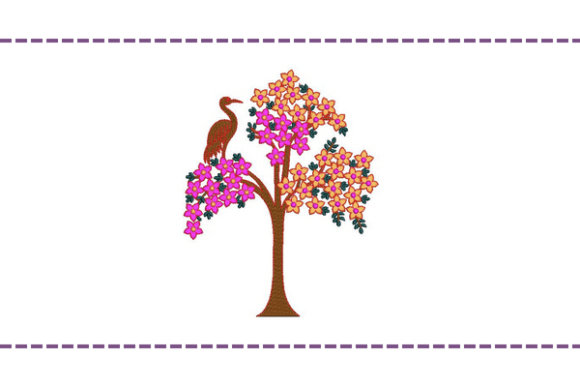
What separates Coconut Tree from generic forest trees is its restraint. There’s no unnecessary filler stitching in the sky or ground—just the tree, thoughtfully balanced. That makes it scale well: shrink it to 2.5" for a baby bib, and the proportions hold. Enlarge it to 6" for a throw pillow, and it doesn’t turn muddy. The stitch density feels calibrated—not so light it floats, not so heavy it cracks or puckers. For craft business owners, that reliability means fewer customer complaints about “wonky” stitching or thread breaks mid-run. For Etsy sellers, it means consistent mockups and repeatable quality across batches.
Practical Notes Every Embroiderer Should Check
Before stitching your first Coconut Tree project, do these five things:
- Test on scrap fabric—same weight and weave as your final piece. Watch how the fronds lay, especially near the trunk junction.
- Check thread color contrast on both light and dark backgrounds. Olive + cream reads softly; charcoal + white reads bold. Avoid low-contrast combos unless you want subtlety.
- Confirm hoop size—the file likely fits standard 4x4 or 5x7 hoops, but verify before hooping expensive fabric.
- Inspect small details in your software: are frond tips sharp? Is there any stray running stitch? Zoom in.
- Review licensing. Since it’s marketed for home decor, apparel, and personal use, confirm whether commercial resale of finished items (like embroidered totes sold in your shop) is permitted—some creators restrict digital redistribution but allow physical product sales.
Final Verdict: A Quietly Confident Design Asset
Coconut Tree won’t shout—but it doesn’t need to. In a crowded market of embroidery files, it stands out by feeling intentional, unhurried, and quietly sophisticated. It’s the kind of design that makes customers pause, smile, and say, “I want that *feeling*.” Whether you’re a small shop owner building a cohesive brand, an Etsy seller refreshing seasonal listings, or a hobbyist making heirloom baby gifts, this embroidery file delivers real-world value: it stitches cleanly, photographs beautifully, and carries mood without clutter. It belongs in the Forest Trees category not because it’s literal, but because it evokes place, memory, and ease—exactly what handmade product buyers pay for. Just remember: great design starts with thoughtful testing. Try it on that scrap first. Then let the coconut sway.