Sushi: A Playful, Gift-Ready Embroidery Design
First Impressions: Sweet, Whimsical, and Instantly Relatable
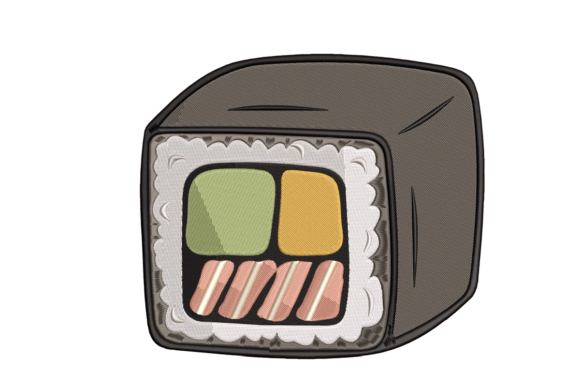
As an embroidery designer who’s tested hundreds of food-themed machine embroidery designs for retail and custom gifting, Sushi stands out—not for technical complexity, but for its emotional resonance. Unzipping the file feels like opening a tiny bento box: compact, cheerful, and thoughtfully arranged. The design radiates playful charm—think soft curves on rice rolls, gentle shading on nori, and just enough detail in the wasabi swirl to feel handmade without overwhelming the stitcher. It’s not elegant or minimalist; it’s warm, approachable, and undeniably foodie-friendly. That makes Sushi ideal for customers seeking lighthearted personalization—not fine-dining formality, but joyful everyday meaning.
Where Sushi Shines as a Personalized Gift
Sushi isn’t just a cute motif—it’s a versatile storytelling tool for meaningful moments. For baby embroidery, it adds unexpected sweetness to organic cotton blankets or muslin swaddles (pair with a tiny “Miso” or “Nori” name tag for subtle wordplay). As a wedding gift, it brings levity to linen pillow covers for the couple who met at a sushi bar—or to embroidered kitchen towels gifted to newlyweds who love cooking together. In nursery decor, it softens modern monochrome palettes; on a custom tote bag, it becomes a conversation starter for food-loving teachers, nurses, or grad students.
Etsy sellers will appreciate how Sushi photographs beautifully: clean lines pop against light linen, and the rounded shapes translate well in flat-lay product shots. Small shop owners can bundle it into themed digital embroidery file collections (“Foodie Favorites” or “Kitchen Keepsakes”) alongside matching chopstick or soy sauce motifs. And for craft fair vendors, stitching Sushi onto aprons or tea towels creates instant visual cohesion—and signals craftsmanship without requiring advanced digitizing skills.
Smart Placement Matters: Know When (and Where) to Stitch
While Sushi is fun and easy to stitch, thoughtful placement ensures your finished product holds up—and delights customers long after purchase. Avoid using it on highly textured fabric like heavy terry cloth towels unless you reinforce with cutaway stabilizer; the delicate rice grain details may blur. Similarly, skip stretchy baby onesies—opt instead for stable knit blankets or structured pillow covers where stitch density remains crisp.
Small lettering isn’t part of this design, but if you’re adding custom names or dates alongside Sushi, keep text above 8 mm in height for legibility. On dark fabric, test thread colors carefully: light jade or creamy white thread lifts the design, while navy or charcoal thread grounds it for mature kitchens. And never assume it’ll stitch cleanly on curved surfaces—like mugs or round coasters—without a specialty hoop or alternative application method (heat-transfer vinyl may be safer).
Washing & Wear: Building Trust Through Durability
Customers buying personalized gifts expect heirloom quality—even for playful themes. Because Sushi is intended for kitchen decor, bedsheets, and clothes, confirm that stitch density supports frequent washing. Overly dense fills trap moisture and encourage fraying over time; looser satin stitches on nori edges hold up better than tight fill on small fish shapes. Always use tear-away + lightweight cutaway stabilizer combo for embroidered towels and pillow covers—this prevents puckering and maintains that hand-finished look buyers associate with premium handmade products.
Why Sushi Builds Emotional Connection—and Sales
Food-themed embroidery taps into nostalgia, identity, and shared experience. Sushi doesn’t just say “I like food”—it says “We bonded over late-night rolls,” “This kitchen is where our family gathers,” or “Our baby’s first solid food was avocado sushi.” That subtext elevates perceived value: a $28 pillow cover becomes a $45 keepsake when paired with intentional personalization.
For Etsy sellers and small business owners, that emotional hook translates directly to buyer engagement. Listings featuring Sushi on real-life products—like a linen napkin folded beside chopsticks—see higher click-through rates. Including printable mockups showing Sushi on light/dark fabric helps customers visualize their order, reducing returns and increasing trust in your process. And because it fits naturally within the Food Dining category, it strengthens SEO visibility for terms like “custom kitchen embroidery” or “personalized foodie gift.”
Essential Pre-Stitch Checks Every Designer Should Make
- Test on scrap fabric first—especially if using bamboo, linen, or performance blends common in baby embroidery and wedding gifts.
- Verify thread color contrast across at least two fabric tones before stitching client orders.
- Confirm hoop size compatibility—some versions of Sushi may include multiple sizes; choose based on your end product (e.g., 3" for towel corners, 5" for center-blanket placement).
- Review stitch density visually—zoom in on the embroidery file preview to spot potential nesting or overlapping paths that could cause thread breaks.
- Use appropriate stabilizer—lightweight cutaway for knits, tear-away for stable wovens, and fusible + tear-away for towels.
- Compare light and dark fabric mockups side-by-side before finalizing product photos.
- Check small details post-stitch—especially the wasabi swirl and fish eye—to ensure clarity and avoid skipped stitches.
- Confirm commercial licensing before selling finished products—this is non-negotiable for Etsy sellers and wholesale partners.
At its core, Sushi succeeds because it balances delight with practicality. It invites smiles without sacrificing stitch integrity. Whether you're designing baby embroidery for a boutique, curating wedding gifts for a local shop, or building a best-selling digital embroidery file collection, this design delivers consistent charm—and real-world versatility. Just remember: every great personalized gift starts with intention, testing, and respect for both the craft and the customer’s story. With Sushi, you’re not just stitching food—you’re stitching meaning.