Bee Wreath: A Craft Fair-Ready Embroidery Design
First Impression: Sweet, Natural, and Instantly Recognizable
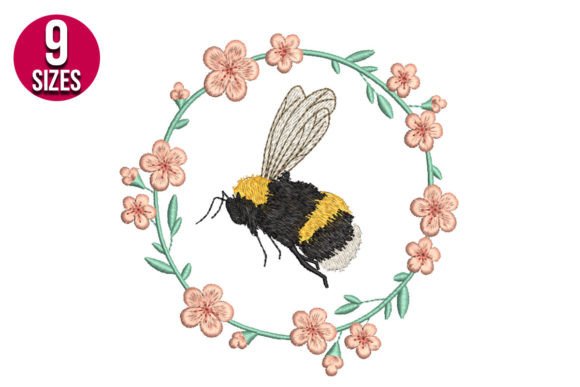
As an embroidery designer who’s prepped over 200 craft fair booths in the past decade, my first thought on seeing Bee Wreath is: this is a crowd-pleaser. It lands squarely in the “cute-but-not-cloying, natural-but-not-earthy” sweet spot — think farmhouse charm meets modern botanical. It’s not overly detailed like a scientific illustration, nor is it cartoonish or kitschy. That balance makes it ideal for handmade markets where shoppers scan dozens of tables in under ten seconds. Customers don’t need to pause and decode it — they see bees, greenery, and gentle symmetry, and they *feel* the warmth before they even read the tag.
Where Bee Wreath Shines on Real Craft Fair Products
In my booth setup, I always lead with tactile, high-visibility items — and Bee Wreath performs exceptionally well across several categories:
- Tote bag design: Centered on a natural canvas or linen tote, Bee Wreath reads clearly from six feet away. Its circular composition frames the bag’s front without overwhelming it — perfect for eco-conscious shoppers who love subtle storytelling.
- Tea towel embroidery: On cotton or linen tea towels (especially cream, oat, or sage), this design feels intentional and giftable. The wreath shape echoes traditional kitchen motifs, making it feel heritage-inspired yet fresh.
- Embroidered patch: When digitized with clean edges and moderate stitch density, Bee Wreath works beautifully as a sew-on or iron-on patch. It adds instant personality to denim jackets, market aprons, or kids’ backpacks — a low-risk, high-reward impulse buy.
- Pillow cover & small pouch: At 4–5 inches wide, Bee Wreath fills the visual space just right on 12x12" pillow covers or 6x8" fabric pouches. It avoids looking sparse or cramped — a common pitfall with insect-themed embroidery.
What Holds It Back (And How to Fix It)
Not every surface is equal — and Bee Wreath demands thoughtful execution. Here’s what I watch for:
- Dense stitch areas: If the wreath includes tightly packed leaves or layered bee wings, stitch density can cause puckering on lightweight fabrics or textured towels. Always test on scrap fabric with your exact thread colors and stabilizer.
- Curved surfaces: Caps and curved market bags require careful hooping. Bee Wreath’s balanced shape helps, but avoid placing it too close to seams or brims where distortion occurs.
- Small details on dark fabric: Bees with fine antennae or thin wing veins may blur on black or navy fabric unless thread contrast is sharp (e.g., bright yellow or white thread on dark ground). Don’t assume default thread palettes will translate.
- Scale sensitivity: Below 3 inches wide, delicate elements risk disappearing — especially on textured hand towels or thick denim. For patches or cap fronts, confirm the design includes simplified versions or alternate files.
Why Bee Wreath Boosts Your Booth & Brand
This isn’t just another machine embroidery design — it’s a visual anchor. At a craft fair, Bee Wreath draws eyes because it’s friendly, seasonal (but not holiday-limited), and quietly sophisticated. It elevates a plain tote into a handmade product with intention. Shoppers associate it with care, nature, and small-batch quality — not mass production. When repeated across tea towels, aprons, and pouches, it builds brand consistency without feeling repetitive. And unlike trend-driven motifs, Bee Wreath fits seamlessly into Etsy listings, boutique displays, and gift shop consignment — especially within the Bugs Insects category, where most designs lean either hyper-realistic or overly playful.
Real-World Production Notes Every Embroidery Designer Should Follow
Before cutting fabric or loading hoops, run these checks:
- Test the embroidery file on your exact fabric type — especially if using terry cloth, linen blends, or structured canvas.
- Review thread colors against your base fabric. Yellow-on-khaki? Great. Yellow-on-mustard? Might vanish.
- Confirm spacing and clearance — does the design leave room for seam allowances, hems, or binding?
- Verify hoop size compatibility. If your machine uses smaller hoops, ensure Bee Wreath has a version that fits — or plan for re-hooping mid-stitch.
- Choose stabilizer wisely: Tear-away for stable wovens; cut-away for knits or stretchy apron fabrics; heavy-duty for textured towels.
- Create at least one real mockup — not just a printable mockup. See how light hits the stitches, how it drapes, how it photographs in natural booth lighting.
- Compare fabric colors side-by-side. A cream tea towel and oat linen tote may look identical online but read very differently in person — and Bee Wreath shifts mood accordingly.
- Confirm commercial licensing before selling finished products. As a digital embroidery file, its use in physical goods requires explicit permission — never assume “for personal use only” covers your small shop product or Etsy seller inventory.
Final Verdict: A High-Return, Low-Risk Craft Fair Staple
Bee Wreath isn’t flashy — and that’s its strength. In a sea of loud fonts and saturated colors, it stands out by being calm, cohesive, and deeply wearable. It photographs beautifully for Etsy listings and social previews, scales reliably across product types, and resonates with buyers who value handmade quality over novelty. Whether you’re launching a new line of commercial embroidery goods or refreshing your craft fair rotation, Bee Wreath delivers consistent engagement, repeat interest, and genuine perceived value. Just remember: respect the details, test early, and let the natural charm do the work. This Embroidery design earns its place — not as filler, but as a signature piece.