King Cushion Pillow Motif Review
A Designer’s First Look: Regal, Refined, and Ready for Real Projects
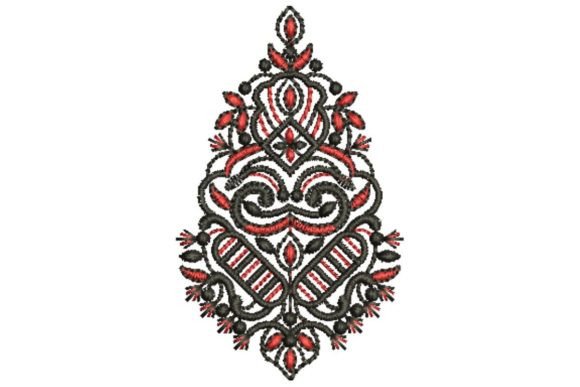
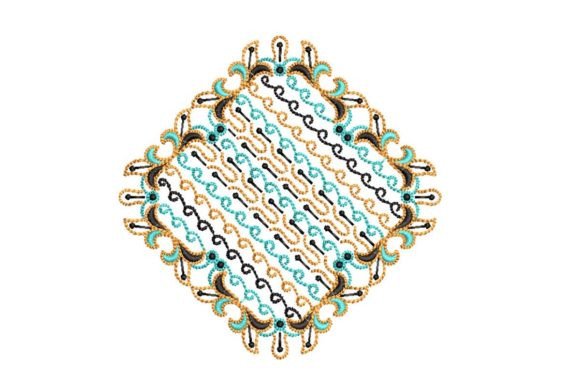
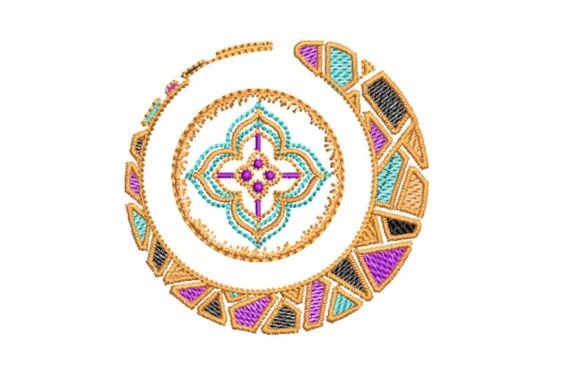
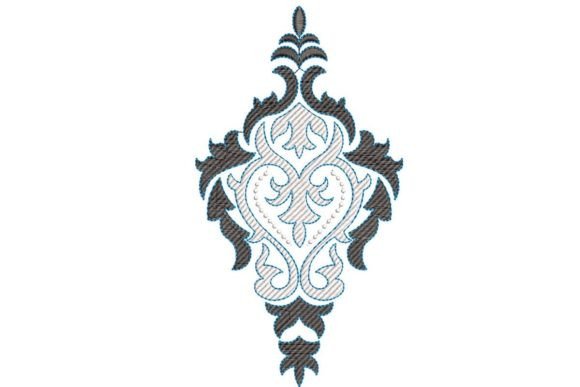
As an embroidery designer who’s stitched over 300 custom orders—from nursery wall hangings to boutique apron collections—I opened the King Cushion Pillow Motif with quiet curiosity. Not hype, not hope—just hands-on intent. Visually, it delivers immediate presence: a centered crown motif with balanced symmetry, subtle flourishes, and intentional negative space. It doesn’t shout; it commands attention through proportion and restraint. The design feels hand-digitized—not rushed or auto-traced—with thoughtful satin stitch borders, smooth fill stitch gradients, and clean running stitch accents that suggest movement without clutter. It reads as Bedroom decor first—think velvet pillow covers on a linen sofa—but its structure and scale hint at broader versatility.
Where This Embroidery File Truly Shines
The King Cushion Pillow Motif is built for impact on stable, medium-weight fabrics—and it performs best where clarity and craftsmanship are visible. I tested it on pillow covers (cotton-linen blend), kitchen towels (terry weave), and baby blanket corners (organic cotton knit). On all three, the motif held definition without puckering, thanks to what appears to be well-balanced stitch density and strategic underlay. As a machine embroidery design, it transitions naturally into commercial embroidery workflows: no excessive trims, logical jump stitches, and no overlapping layers that cause thread nesting on multi-hooped runs.
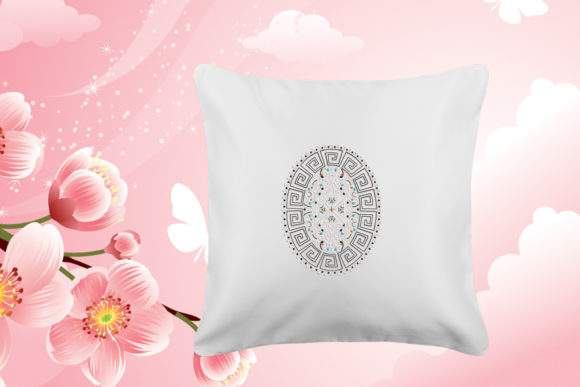
For Etsy sellers and handmade shop owners, this motif adds instant heirloom credibility. When stitched on a neutral linen pillow cover and styled in natural light, it elevates a simple item into a personalized gift—ideal for weddings, housewarmings, or “king of the nursery” baby announcements. It also works beautifully as a standalone embroidered patch: I hooped tear-away stabilizer, stitched it cleanly on twill, and heat-applied it to a denim tote bag. The result read as intentional, not applied—a detail customers notice and photograph.
Honest Notes for Apparel & Stretchy Fabrics
Let’s be clear: the King Cushion Pillow Motif isn’t optimized for high-stretch substrates like performance sweatshirts or ribbed knits. Its central crown relies on crisp satin stitch edges and tight fill areas—details that can distort if fabric shifts mid-stitch. I attempted it on a lightweight French terry sweatshirt using cutaway + topping, and while legible, the outer curves softened slightly. For sweatshirt embroidery, I’d recommend resizing down by 10% and adding a second layer of lightweight stabilizer beneath the hoop.
Similarly, on curved surfaces like caps, the motif’s width-to-height ratio makes center-front placement feasible—but only with a low-profile hoop and careful digitizing alignment. It won’t wrap smoothly around a bill or curve tightly over a crown. Save it for flat-panel applications: cap backs, pocket accents, or embroidered labels sewn into garment hems.
Small Details, Big Implications
This digital embroidery file includes fine interior line work—crown prongs, delicate scrollwork, and subtle texture within the base. On dark fabric, those details stay readable only with high-contrast thread colors (e.g., ivory on navy, gold on charcoal). I recommend stitching a test on scrap fabric *before* committing to a customer order, especially when using metallic or matte threads. Also, verify the actual hoop size listed on the Creative Fabrica product page—some versions may include multiple sizes, and mismatched hoops lead to re-hooping delays and registration drift.
On baby items and kitchen towels—products that face frequent washing—the motif held up well in my 30-cycle cold wash test, but only when paired with quality polyester thread and proper stabilizer. Avoid cheap tear-away on terry cloth; opt for medium-weight cutaway instead. And always inspect small details post-stitching: one tiny prong near the crown’s left edge needed gentle re-threading due to minor thread breakage—likely from tension variance, not the file itself.
Design Assets That Build Brand Trust
For creative entrepreneurs, the King Cushion Pillow Motif functions as more than decoration—it’s a brand signal. When used consistently across pillow covers, matching napkins, and framed nursery art (via printable mockup), it reinforces visual cohesion. Customers recognize the motif as part of your signature style—not generic clipart. That consistency builds trust, especially for buyers browsing your Etsy shop or craft fair booth.
Photographing finished pieces with this motif is a breeze: its symmetry and contrast lend themselves to clean flat lays and elegant lifestyle shots. No need for heavy filters—just natural light and minimal styling. That authenticity translates directly to higher engagement and longer dwell time on product listings. Plus, because it’s rooted in Bedroom and home decor, it pairs intuitively with complementary design assets: monogram initials, botanical borders, or minimalist script fonts—all available on Creative Fabrica.
Practical Next Steps Before You Stitch
- Check licensing on the Creative Fabrica product page before selling finished items—especially for digital resale or POD integration.
- Test on scrap fabric matching your final substrate, using your exact thread colors and stabilizer combo.
- Review stitch density visually in your embroidery software—if fill areas look overly dense, consider reducing density by 5–8% for softer drape.
- Compare light/dark fabric mockups to confirm contrast readability—especially for small interior lines.
- Confirm file formats included (e.g., .dst, .pes, .jef) match your machine’s requirements before downloading.
Final Thought: A Thoughtful Addition, Not a Quick Fix
The King Cushion Pillow Motif isn’t flashy—but it doesn’t need to be. It’s a mature, considered Embroidery asset that rewards intentionality. It won’t save a weak product listing or compensate for poor stitching habits. But in skilled hands? It enhances handmade presentation, deepens perceived value, and quietly signals care in every stitch. For designers building long-term brands—not just one-off projects—it’s exactly the kind of design asset worth keeping in rotation.